AI for Insurance Agents: 16 Best Tools for 2026

SUMMARY:
We reviewed and tested 30+ AI tools for insurance agents and chose the 16 best AI solutions for insurance teams in 2026, based on automation capabilities, CRM integrations, compliance support, ease of use, and scalability.
16 best insurance AI tools by use case:
CloudTalk is the strongest choice for insurance teams focused on client communications, outbound prospecting, and implementing the latest insurance AI solutions for conversation intelligence.
Agencies focused on underwriting, fraud detection, or compliance monitoring may prefer specialized platforms like Gradient AI, Shift Technology, or Aveni.
Types of AI Tools That Automate Repetitive Insurance Tasks
How We Chose the Best AI Tools for Insurance
To bring you this guide, we compared 30+ leading AI platforms used by insurance professionals, drawing on feedback from over 2,000 users across trusted review sites like G2, Capterra, and TrustRadius.
The 16 best AI tools were selected based on their performance in real insurance workflows—quoting, underwriting, claims handling, customer service, and compliance. We also considered ease of use, integrations (CRMs, AMS, policy systems), and data security.
What you'll find here:
Only tools that deliver real, measurable value—plus clear guidance on which platforms best fit brokers, agencies, and carriers at different stages of growth.
Why Trust Our Software Reviews?
For nearly a decade, we've helped 30,000+ professionals choose smarter tools to modernize their workflows. We've reviewed 200+ products, analyzed over 5,500 verified reviews, and sourced firsthand insights from brokers, agents, and insurance tech leaders.
In the last year alone, we've published 1,000+ expert-written articles to help insurance teams adopt technology with confidence—not guesswork.
Learn how we keep our content integrity and our software review methodology.
Quick Comparison Table of the Best AI Tools for Insurance Agents
16 Best AI Agents for Insurance in 2026
As an industry inundated with paperwork and lengthy, repetitive processes, insurance was quick to adopt AI. The adoption of AI for insurance is no longer just a futuristic concept; it is a required baseline for agencies looking to increase productivity, lower operating costs by 40%, and deliver instant policyholder support.
To help you make the most of this shift, we've curated a succinct yet comprehensive overview of the 16 best AI for insurance companies available on the market in 2026.
1. CloudTalk: The Best AI Agent for Insurance Teams for Voice, Calling & Conversation Intelligence
What Is CloudTalk?
CloudTalk is an AI-powered business communication software, designed to help you have better, crystal-clear customer conversations, while improving your outbound and inbound efforts across 1+ countries via calls, SMS, and WhatsApp.
Key Features of CloudTalk's AI for Insurance Agents
- Conversation Intelligence AI
- AI Voice Agents
- Intelligent Call Routing & IVR
- Power & Smart Dialer Software
- Real-Time Analytics & Call Monitoring
- 3rd Party Integrations for CRMs, Helpdesks, etc.
What Are CloudTalk's Best Use Cases?
Insurance agents focused on sales and client outreach
What Are CloudTalk Plans & Pricing?
- CloudTalk's pricing starts at $19 per user/month, with custom pricing available for larger teams. AI voice pricing starts at $99/user/month (200 min included) for the AI receptionist.
What Are CloudTalk's Pros & Cons?
2. Kenyt.AI: Best AI Chatbot for Policy Inquiries and Lead Qualification
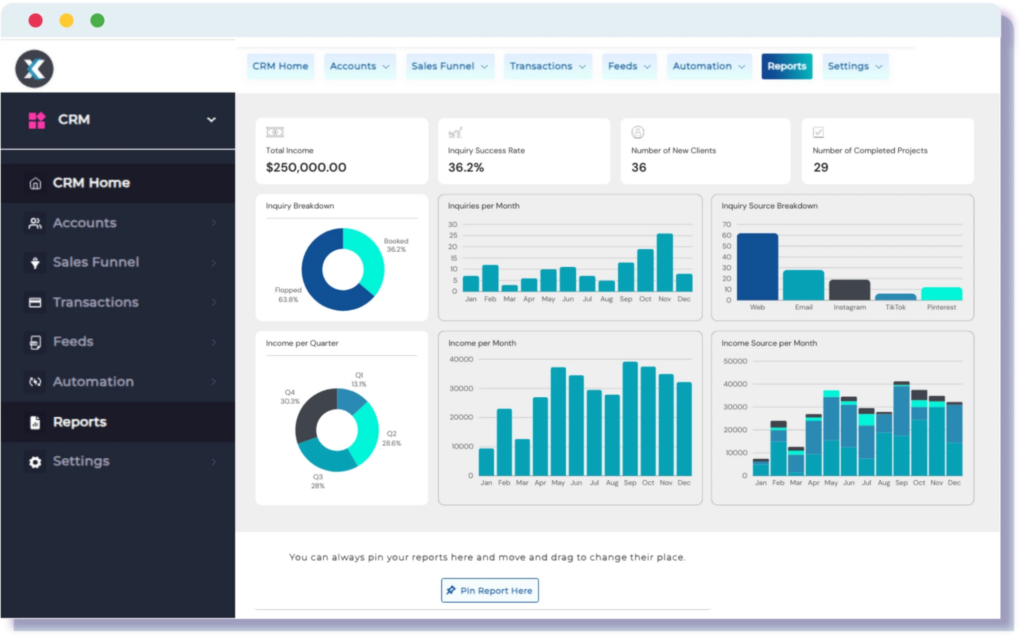
What Is Kenyt.AI?
Kenyt.AI provides intelligent chatbots and AI-powered automation to streamline customer interactions and claims processing. It is best used for automating policy inquiries, lead qualification, and claims handling for faster responses and higher CSAT.
Key Features of Kenyt.AI for Insurance Agents
- AI chatbot with Natural Language Processing (NLP)
- Automated claims submission and tracking
- Lead generation and policy recommendations
- 24/7 virtual assistant support
- Integration with CRM tools
What Are Kenyt.AI's Best Use Cases?
Agencies looking to automate customer support.
What Are Kenyt.AI Plans & Pricing?
Kenyt.AI pricing includes a free tier. Paid plans start at $11 per month, billed annually.
What Are Kenyt.AI's Pros & Cons?
3. AlphaChat: Best AI Chatbot for Multilingual Claims Automation
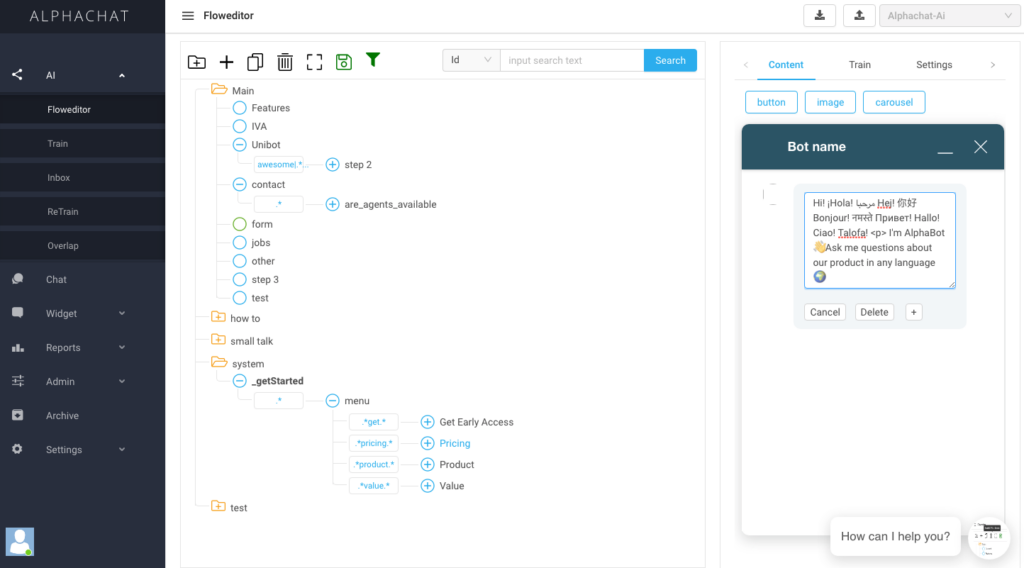
What Is AlphaChat?
AlphaChat is a no-code AI chatbot platform designed to improve customer support and claims management for insurers. It enables insurers to automate client interactions while ensuring a personalized experience through its Natural Language Understanding (NLU).
Key Features of AlphaChat for Insurance Agents
- AI chatbot with self-learning capabilities
- Secure authentication for policyholder interactions
- Automated claims filing and tracking
- Multilingual support for global insurance firms
- Customizable conversation flows
What Are AlphaChat's Best Use Cases?
Mid-to-large insurance companies
What Are AlphaChat Plans & Pricing?
AlphaChat pricing is available per request.
What Are AlphaChat's Pros & Cons?
4. LivePerson: Best Conversational AI Platform for Omnichannel Insurance Support
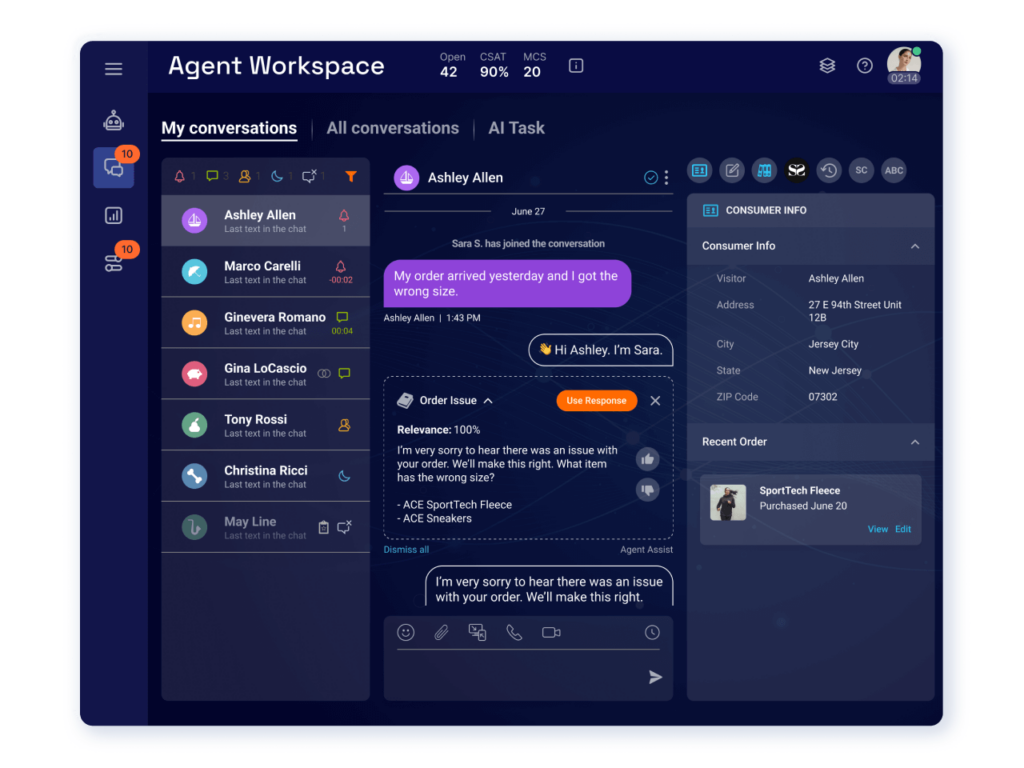
What Is LivePerson?
LivePerson leverages conversational AI for insurance through AI-driven conversational bots that improve engagement and reduce response times for policyholders. Its AI-powered messaging platform allows agents to handle multiple inquiries simultaneously, improving efficiency and customer experience.
AlphaChat is a no-code AI chatbot platform designed to improve customer support and claims management for insurers. It enables insurers to automate client interactions while ensuring a personalized experience through its Natural Language Understanding (NLU).
Key Features of LivePerson for Insurance Agents
- AI-powered messaging and voice bots
- Sentiment analysis for real-time insights
- Seamless integration with insurance platforms
- Omnichannel support (SMS, WhatsApp, Web, etc.)
- Automated appointment scheduling
What Are LivePerson's Best Use Cases?
Large insurance agencies with high customer interaction
What Are LivePerson Plans & Pricing?
LivePerson pricing is available per request.
What Are LivePerson's Pros & Cons?
5. Zendesk Answer Bot: Best AI Tool for Insurance Customer Service Ticketing
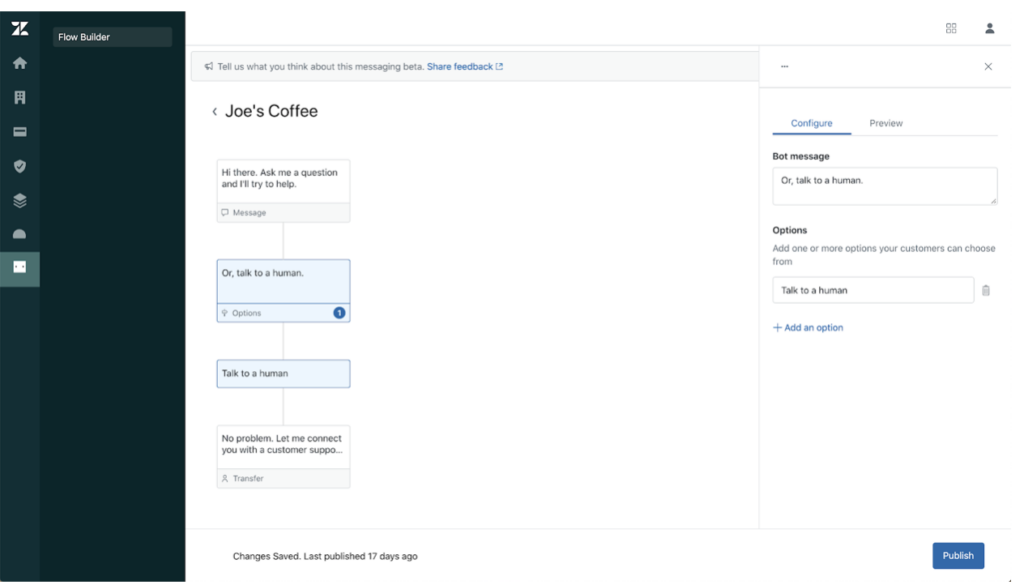
What Is Zendesk Answer Bot?
Zendesk Answer Bot automates responses to common queries, helping insurance agents resolve customer issues faster. Its AI-powered Flow Builder allows for smooth automation of customer interactions, reducing support costs and improving CSAT.
Key Features of Zendesk Answer Bot for Insurance Agents
- AI-powered chatbot with Flow Builder
- Knowledge base integration for quick answers
- Smart ticket routing and automation
- Omnichannel customer support
- Real-time analytics dashboard
What Are Zendesk Answer Bot's Best Use Cases?
Agencies focused on customer service automation
What Are Zendesk Answer Bot Plans & Pricing?
- Zendesk pricing starts at $55 per agent/month.
What Are Zendesk Answer Bot's Pros & Cons?
6. Botsify: Best AI Chatbot for Insurance Agencies With Prebuilt Templates
What Is Botsify?
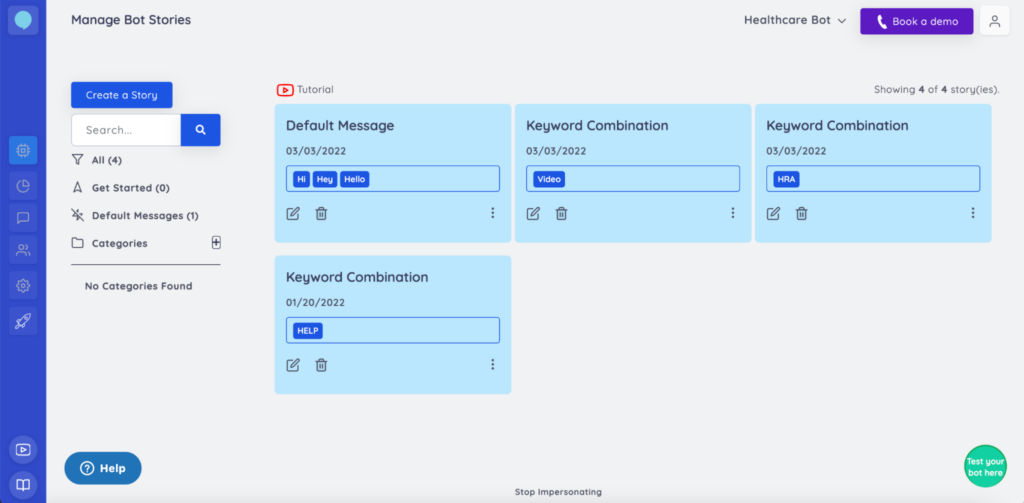
Botsify offers AI for insurance agencies, delivering AI-driven chatbot solutions to automate lead generation, policy sales, and claims processing. It helps insurance agencies handle a high volume of inquiries, ensuring faster and more accurate responses to client questions.
Key Features of Botsify for Insurance Agents
- AI chatbot with pre-built insurance templates
- Automated lead qualification and customer support
- Human handover for complex queries
- Multichannel support (Web, WhatsApp, SMS)
- Integration with policy management software
What Are Botsify's Best Use Cases?
Small to mid-sized insurance agencies
What Are Botsify Plans & Pricing?
Botsify pricing starts at $149 per month.
What Are Botsify's Pros & Cons?
7. Arteria AI: Best AI Tool for Insurance Contract Management and Risk Analysis
What Is Arteria AI?
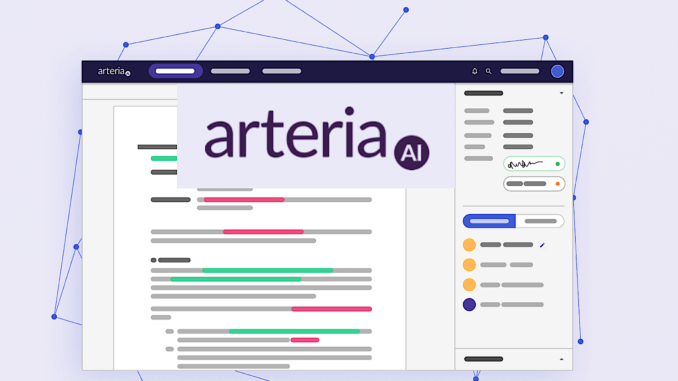
Arteria AI specializes in AI-powered contract management for insurers, helping streamline policy generation and compliance. Its ML capabilities enable insurance companies to quickly analyze, compare, and generate contracts with accuracy.
Key Features of Arteria AI for Insurance Agents
- AI-assisted contract creation and analysis
- Automated policy comparisons and risk assessments
- Machine learning for regulatory compliance
- Integration with document management systems
- Real-time policy updates and tracking
What Are Arteria AI's Best Use Cases?
Large insurance firms and brokers
What Are Arteria AI Plans & Pricing?
Arteria AI pricing is available per request.
What Are Arteria AI's Pros & Cons?
8. HubSpot Smart CRM: Best AI CRM for Centralizing Insurance Customer Data
What Is HubSpot Smart CRM?
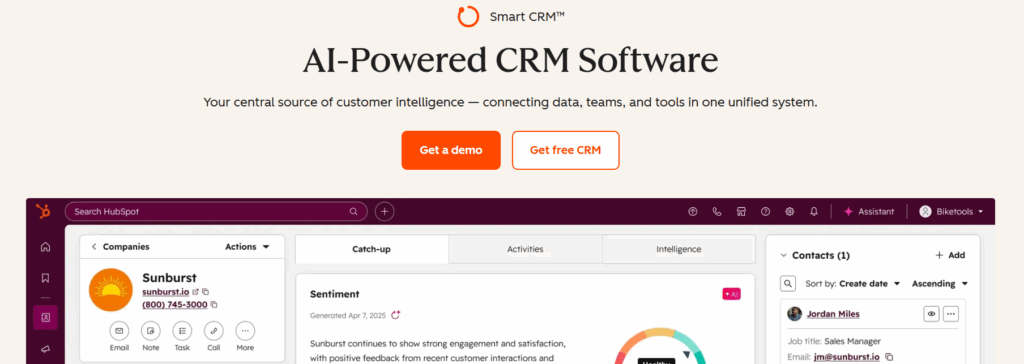
HubSpot Smart CRM helps sales, marketing, and customer service teams achieve better results fast. The platform uses AI to centralize customer data and give teams the context needed to establish the best possible customer experiences.
Key Features of HubSpot Smart CRM for Insurance Agents
- Automatic contact data enrichment from web resources, emails, calls, and more
- AI-powered customer conversation summaries
- Automatic data duplication removal
- Purchase intent signal tracking
- Form shortening
What Are HubSpot Smart CRM's Best Use Cases?
Medium and large-sized companies looking to unify workflows across different departments.
What Are HubSpot Smart CRM Plans & Pricing?
- HubSpot pricing starts at $45 per month for one user, paid annually.
What Are HubSpot Smart CRM's Pros & Cons?
9. Limitless: Best AI Tool for Searchable Documentation of Past Insurance Interactions
What Is Limitless?
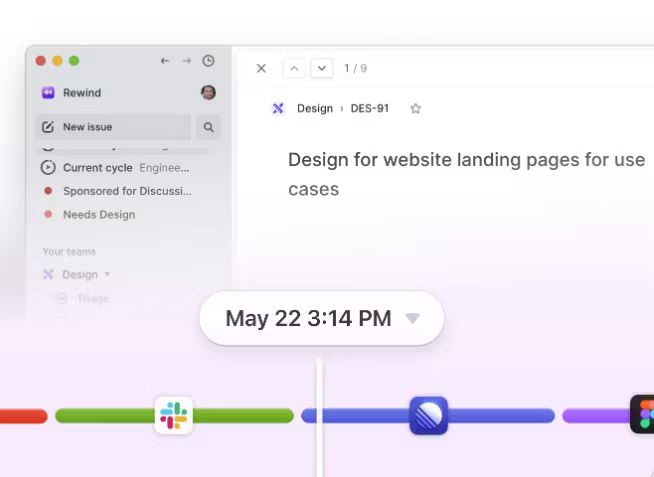
Rewind AI provides a searchable recording of everything that happens on a user's computer, helping insurance agents track conversations, retrieve past policy discussions, and ensure regulatory compliance with accurate documentation.
Key Features of Limitless for Insurance Agents
- AI-powered search for past interactions
- Automated recording and indexing
- Voice-to-text transcription for documentation
- Secure storage with encryption
- Integration with CRM and email systems
What Are Limitless's Best Use Cases?
Large insurance firms and brokers
What Are Limitless Plans & Pricing?
Limitless pricing is not available on the website.
What Are Limitless's Pros & Cons?
10. Gradient AI: Best AI Platform for Insurance Underwriting and Claims Optimization
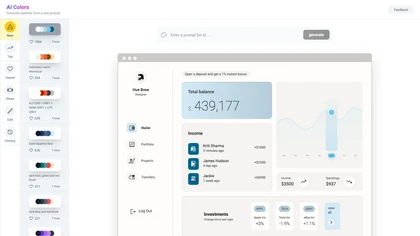
What Is Gradient AI?
Gradient AI is a powerful AI-driven platform that helps insurers optimize underwriting and claims management. By leveraging advanced ML models, Gradient AI enhances risk assessment, automates claims processing, and improves fraud detection.
Key Features of Gradient AI for Insurance Agents
- AI-powered risk assessment for underwriting
- Automated claims processing with predictive analytics
- Fraud detection through machine learning models
- Seamless integration with existing insurance systems
- Customizable AI models based on industry data
What Are Gradient AI's Best Use Cases?
Insurance firms needing compliance and workflow automation
What Are Gradient AI Plans & Pricing?
Gradient AI pricing is available per request.
What Are Gradient AI's Pros & Cons?
11. Limit AI: Best AI Tool for Insurance Brokers Automating Quoting and Underwriting
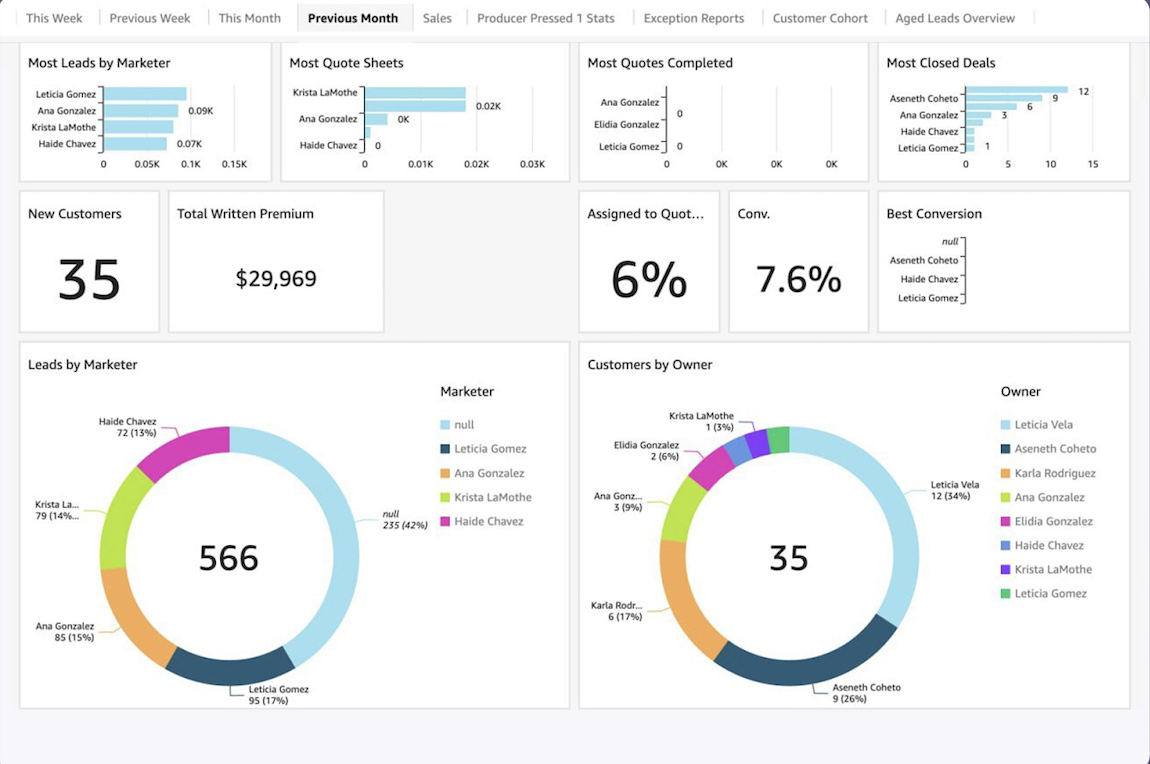
What Is Limit AI?
Limit AI is designed as AI for insurance brokers, offering AI-powered automation for quoting, underwriting, and risk assessment. It reduces manual processes and increases accuracy in policy evaluations.
Key Features of Limit AI for Insurance Brokers
- AI-based quote generation
- Risk assessment automation
- Surplus lines tax and fee calculations
- AI-driven policy recommendations
- Integration with brokerage systems
What Are Limit AI's Best Use Cases?
Insurance brokers optimizing underwriting processes
What Are Limit AI Plans & Pricing?
Limit AI pricing is available per request.
What Are Limit AI's Pros & Cons?
12. Novidea: Best AI-Powered Brokerage CRM for Policy Administration
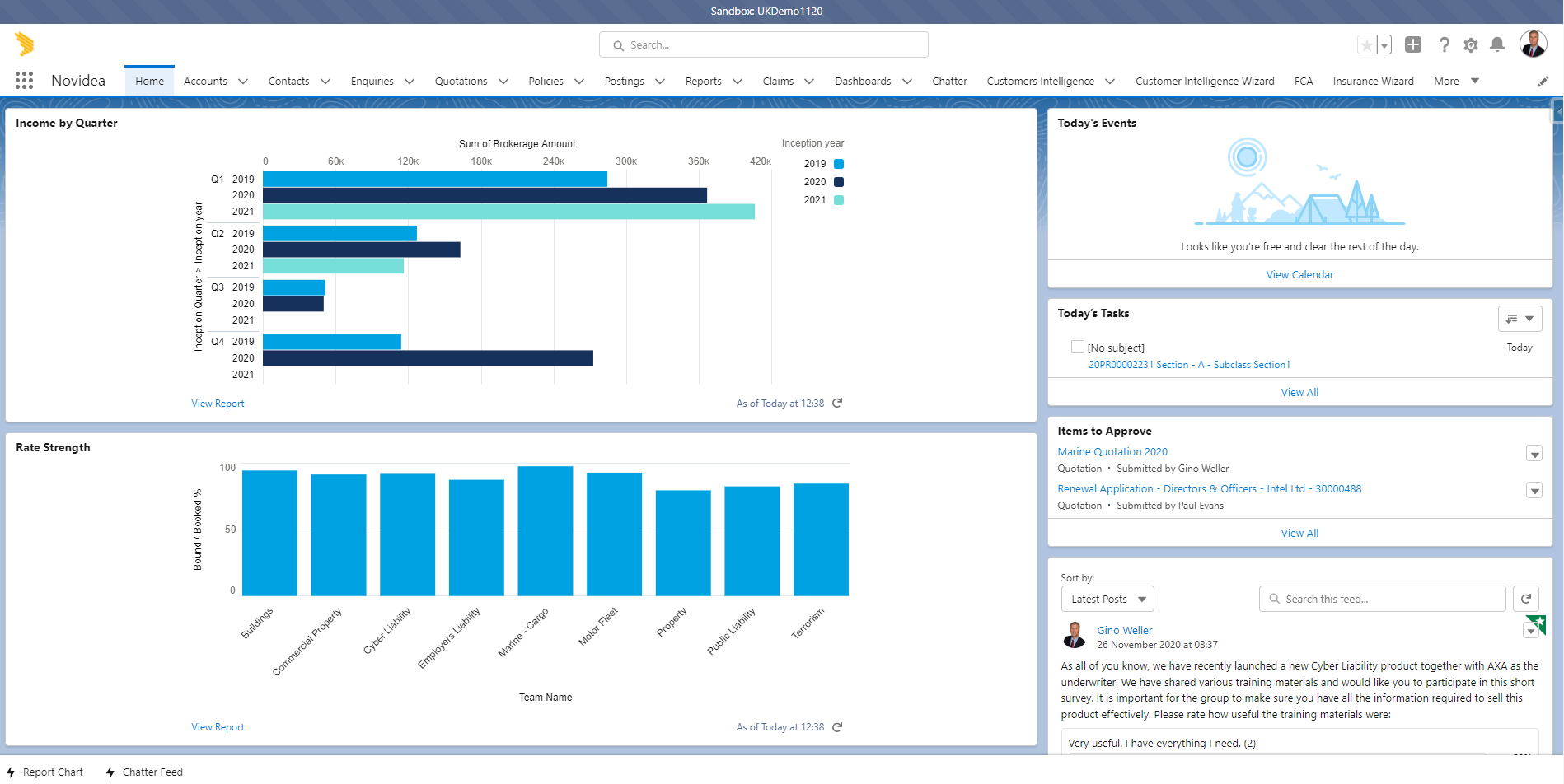
What Is Novidea?
Novidea offers an AI tool for insurance brokers that helps streamline customer relations, policy administration, and sales automation, improving operational efficiency.
Key Features of Novidea for Insurance Agents
- AI-powered brokerage CRM
- Automated sales and customer engagement
- Policy lifecycle tracking and reporting
- Workflow automation for agencies
- Data analytics for client insights
What Are Novidea's Best Use Cases?
Large insurance agencies and brokerage firms
What Are Novidea Plans & Pricing?
Novidea pricing is available per request.
What Are Novidea's Pros & Cons?
13. Jasper AI: Best AI Content Tool for Insurance Marketing and Outreach
What Is Jasper AI?
Jasper AI is an AI-powered content generation tool helping insurance agents create marketing materials, client emails, and blog posts to improve outreach and brand authority.
Key Features of Jasper AI for Insurance Agents
- AI-generated marketing copy
- Automated blog and email writing
- Content optimization for SEO
- Customizable tone and style
- Multi-language support
What Are Jasper AI's Best Use Cases?
Insurance agents needing automated marketing content
What Are Jasper AI Plans & Pricing?
Jasper AI pricing starts at $59 per seat/month.
What Are Jasper AI's Pros & Cons?
14. Chisel AI: Best AI Tool for Insurance Document Processing and Compliance
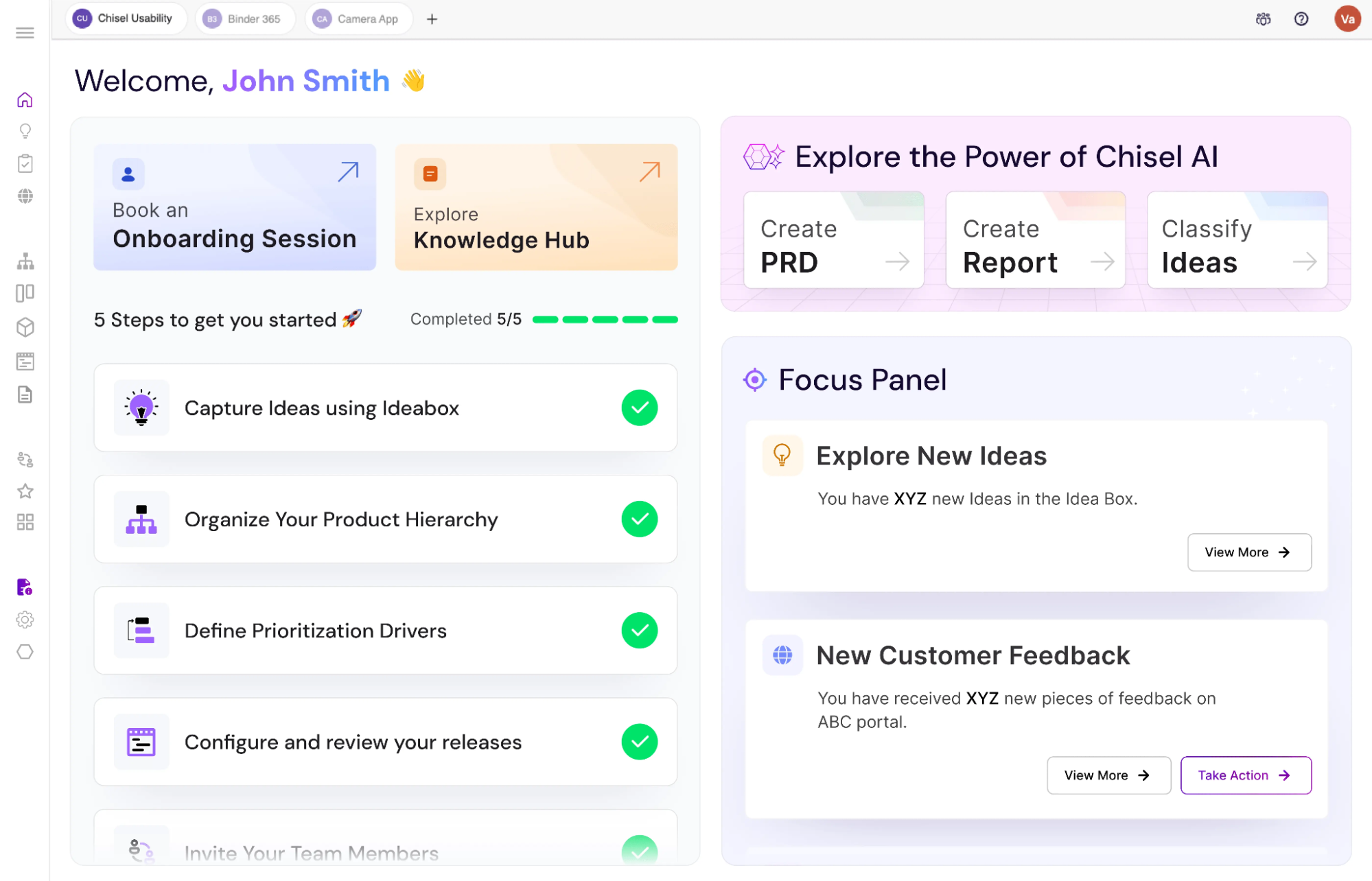
What Is Chisel AI?
Chisel AI specializes in automating document processing for insurers, enabling rapid analysis of policy documents, contracts, and regulatory paperwork to enhance insurance efficiency.
Key Features of Chisel AI for Insurance Agents
- AI-powered document parsing and classification
- Automated contract analysis
- Policy compliance checking
- Machine learning for text extraction
- Integration with insurance software
What Are Chisel AI's Best Use Cases?
Insurance firms handling large volumes of paperwork
What Are Chisel AI Plans & Pricing?
Chisel AI pricing starts at $79.. A free version is available.
What Are Chisel AI's Pros & Cons?
15. Shift Technology: Best AI Platform for Insurance Claims Automation and Fraud Detection
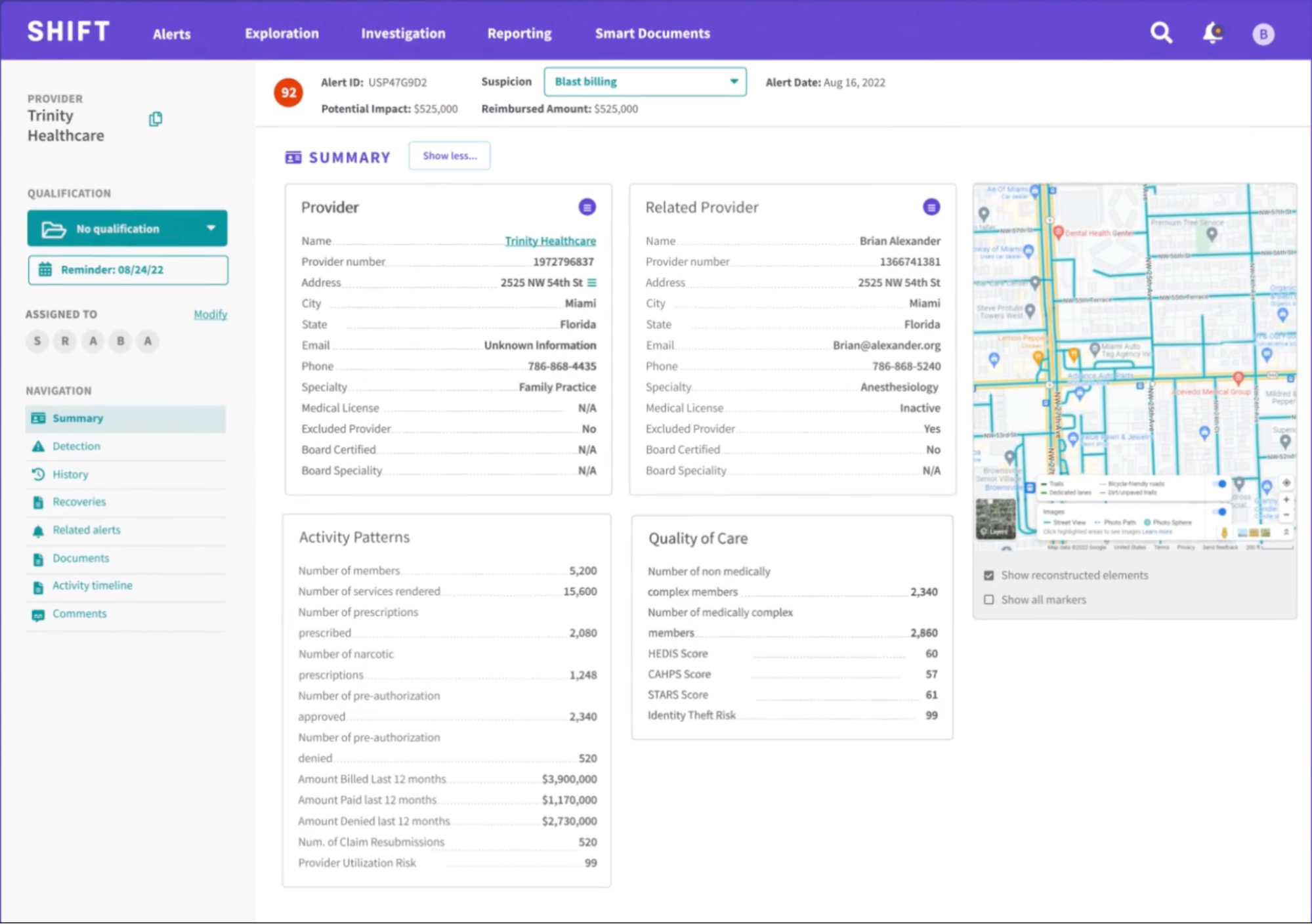
What Is Shift Technology?
Shift Technology is a leading AI-powered platform specializing in claims automation and fraud detection for insurance companies. It helps insurers streamline claims processing, detect fraudulent activities, and improve decision-making using advanced data analytics.
Key Features of Shift Technology for Insurance Agents
- AI-powered claims automation to speed up processing
- Advanced fraud detection using machine learning algorithms
- Real-time risk assessment and decision support
- Seamless integration with existing insurance platforms
- Predictive analytics for better fraud prevention
What Are Shift Technology's Best Use Cases?
Insurance companies aiming to optimize claims processing and strengthen fraud detection mechanisms
What Are Shift Technology Plans & Pricing?
Shift Technology pricing is available per request.
What Are Shift Technology's Pros & Cons?
16. Aveni: Best AI Tool for Insurance Compliance Monitoring and Speech Analytics
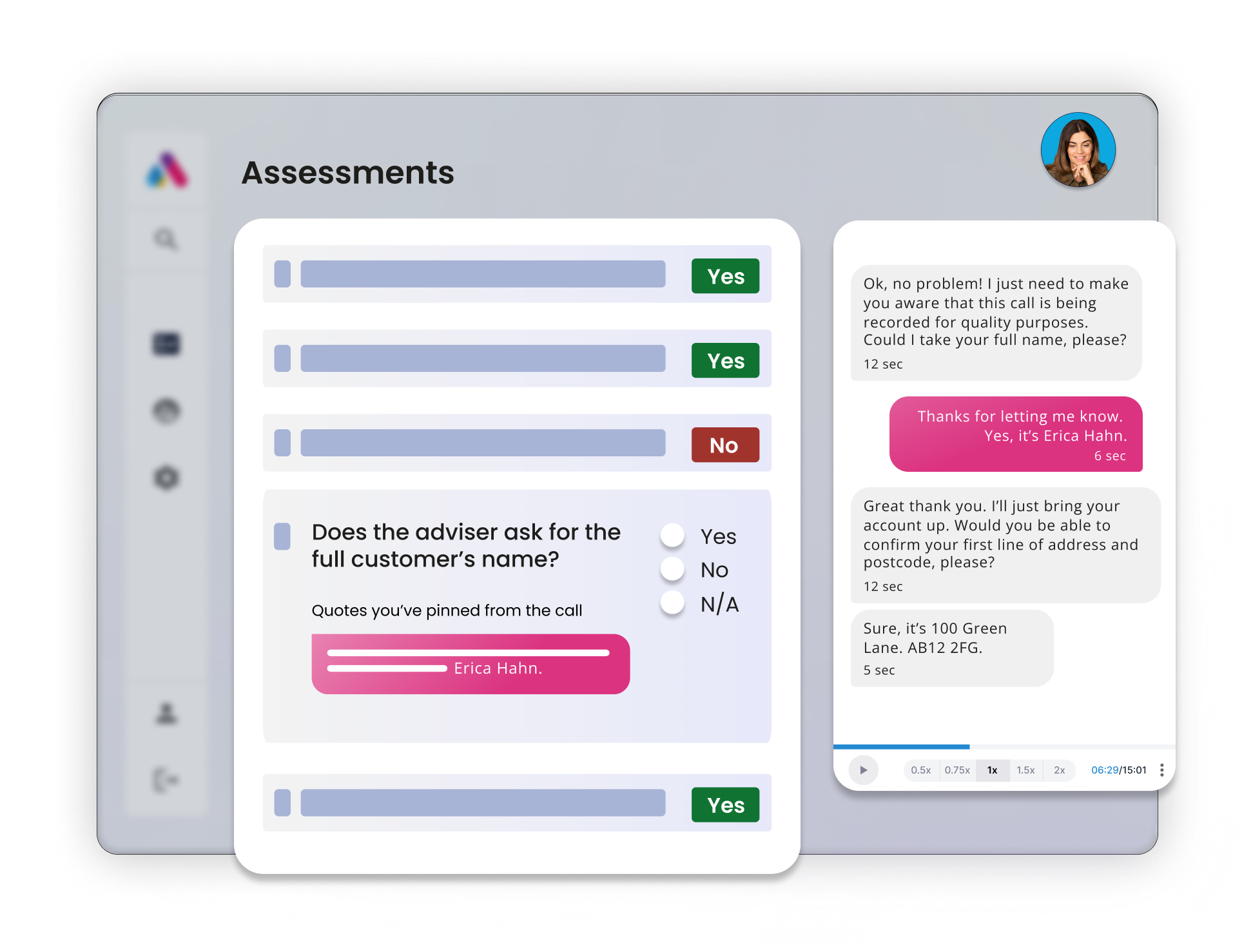
What Is Aveni?
Aveni provides AI-powered compliance and risk management solutions for insurance firms, using AI-driven speech analytics to enhance compliance monitoring and quality assurance.
Key Features of Aveni for Insurance Agents
- AI-powered speech analytics
- Compliance risk monitoring
- Automated quality assurance checks
- Voice data analysis for policy adherence
- Integration with customer call systems
What Are Aveni's Best Use Cases?
Insurance firms needing AI-driven compliance monitoring
What Are Aveni Plans & Pricing?
Aveni pricing is available per request.
What Are Aveni's Pros & Cons?
AI Voice Assistants vs. Chatbots: What Insurance Teams Need to Know
Chatbots and AI voice assistants can sound similar—they're both forms of virtual assistants—but their roles are quite different. While AI chatbots are great for handling quick written queries, AI voice assistants take it a step further by offering real-time, human-like conversations over the phone.
So, what's the difference?
- Chatbots are helpful for basic, text-based tasks like updating contact info or sharing links to policy documents. But they're limited when emotions, urgency, or complex questions enter the picture.
- AI Voice Assistants, like CloudTalk's, speak with customers in real time—handling phone calls with natural, human-like responses. They guide clients through claims, confirm policy coverage, qualify inbound leads, and escalate calls only when needed.
Which Virtual Assistant Is Right for Your Team?
Think of chatbots and voice assistants as complementary, not competing. If you're automating high-volume web traffic or mobile support, chatbots are ideal. But when clients pick up the phone—often stressed, confused, or in urgent need—the best AI voice agents for insurance provide the speed and empathy text can't match.
CloudTalk's AI Voice Agent is designed specifically for those high-stakes moments, ensuring policyholders feel heard—even before a human picks up.
For full coverage, many insurance teams choose to combine both—automating across channels while keeping service human where it matters most.
5 Ways AI Improves Policyholder Engagement
We've touched on several of the benefits that AI for life insurance agents can provide, but if it were not clear, here are 5 powerful ways AI helps you keep policyholders engaged and coming back:
- Faster Claims Processing: AI automates claims evaluation, reducing the time needed to assess, approve, or reject claims, leading to quicker payouts.
- Enhanced Fraud Detection: Machine learning models analyze claims data to detect suspicious activity, reducing fraudulent payouts and financial losses.
- Improved Customer Service: AI chatbots and virtual assistants handle policy inquiries, claims tracking, and support requests 24/7, enhancing customer satisfaction.
- Better Risk Assessment: AI-driven analytics evaluate applicant data, helping insurers price policies more accurately and reduce underwriting risks.
- Operational Efficiency & Cost Savings: Automating repetitive tasks, like document processing and customer verification, frees up time and reduces administrative costs.
Navigating the rapidly growing landscape of insurance AI agents requires choosing tools that integrate seamlessly with your existing Agency Management Systems (AMS) and CRMs without causing operational downtime.
How to Choose the Right AI Tool for Your Insurance Business
Selecting the right AI solution is crucial for maximizing efficiency and ensuring compliance. Radixweb reports that insurers who build AI insurance software tailored for claims automation reduce processing time by up to 60%. Below are the key factors insurance agents should evaluate before investing in AI tools:
- Compliance & Security: Ensure the tool meets HIPAA, GDPR, and industry regulations, with encryption and access controls for data protection.
- Integration with Existing Systems: Look for CRM and policy management software compatibility to streamline workflows. Tools that support a streamlined contract approval workflow can further enhance document handling, policy sign-offs, and agreement tracking within your existing systems.
- Automation Capabilities: Identify tools that automate claims processing, fraud detection, underwriting, and customer service effectively.
- Scalability: Choose a solution that adapts to growing policy volumes and supports agencies of different sizes.
- Pricing & ROI: Evaluate the total cost vs. expected benefits, ensuring the tool improves efficiency and reduces costs.
Can AI Replace Human Agents in Insurance?
Nearly half of policyholders prefer a digital-first experience—but only if they can still speak to a real person when it matters.
So that pretty much answers the question. There are things only humans do best, like building trust, handling complex situations, and delivering personal service. But AI can take care of the repetitive, boring stuff that slows agents down.
What AI can do:
- Automate claim intake and policy renewals
- Answer common questions 24/7 via voice assistants or chatbots
- Summarize call transcripts and flag urgent issues
- Identify churn risks and upsell opportunities through analytics
What AI can't do:
- Handle sensitive customer conversations with emotional intelligence
- Explain nuanced policy terms in context
- Build long-term relationships based on trust
- Make judgment calls in edge cases
The reality is, most policyholders still want a human voice—especially when filing a claim, making big decisions, or dealing with stress. AI enhances those conversations, but it doesn't replace them.
How to Build a High-Impact, AI-Powered Insurance Agency
When implemented correctly, AI for insurance agents transforms overwhelming daily workflows—like manual data entry, quoting, and claim follow-ups—into streamlined processes that free up time for high-value client advising. Building an AI-powered insurance agency doesn't mean chasing the latest tech. It's about solving real problems faster, smarter, and at scale. The key? Focus on automation where it counts, choose the right tools, and keep your team at the center of the transformation.
Here's a step-by-step guide to help you get it right:
- Start With the Pain Points
Before jumping into tools, map out the high-friction areas of your workflow. Think: quote requests, document handling, claims intake, or customer follow-ups. These are prime spots where AI can save serious time and improve consistency. - Pick the Right Tools (Not the Flashiest Ones)
Choose platforms that plug into your existing systems and support real use cases—like CRM tools with AI analytics, or voice platforms like CloudTalk that can automate call summaries, route leads, or handle claims triage in real time. - Automate What Slows You Down
Use AI to extract data from policy PDFs, validate claims details automatically, or guide customers through quote forms with voice or chat assistants. It's not about replacing people—it's about removing bottlenecks. - Train Your Team Early and Often
The best AI strategy falls apart without buy-in. Give your agents hands-on training, show them how AI supports—not replaces—their role, and focus on use cases that improve their day-to-day. - Keep It Ethical and Transparent
Make sure your AI systems are trained on clean, unbiased data. Set clear guidelines to avoid unfair decisions in risk assessments or underwriting, and stay compliant with data privacy standards. - Review, Adjust, Repeat
AI isn't a set-it-and-forget-it project. Track performance, gather feedback, and adapt. Use built-in monitoring tools (most platforms offer them) to continuously improve and make smarter decisions as your agency scales.
Ensure Your Business' Future with CloudTalk
Although many customers and agents fear that AI will replace all human interactions, we're still very far from that happening. And until then, insurance agents need all the help they can get reaching new applicants and answering customer questions.
Luckily, CloudTalk's Conversational Intelligence AI can do just that. Remove time-consuming contact management from your daily workflows and efficiently personalize your conversations to deliver a better experience at every turn.
Source:
Yes, most AI tools follow HIPAA, GDPR, and encryption standards to protect client data. Always verify compliance before use.
No, AI assists agents by automating tasks like claims and fraud detection, but human expertise is still essential for decision-making.
AI automates claims, fraud detection, and customer support, improving efficiency, reducing errors, and enhancing client service.
Most AI tools follow strict security and compliance standards like HIPAA and GDPR, but insurers must ensure proper implementation.
Pricing varies from $50/month for basic AI chatbots to enterprise-level solutions costing thousands per month, depending on features.
Top tools include CloudTalk, Limit AI, Shift Technology, and Gradient AI for sales, underwriting, fraud detection, and outreach.
AI automates outreach, lead qualification, follow-ups, and call insights, helping agents sell faster while reducing manual work.
Tools like CloudTalk, Botsify, Kenyt.AI, and HubSpot CRM automate lead capture, nurturing, and follow-ups across channels.
AI agents handle real-time calls and complex cases, while AI assistants manage simple tasks like FAQs and form filling.
They automate calls, route leads intelligently, summarize conversations, and improve outreach efficiency and conversion rates.
Yes. Conversational AI enables 24/7 support, faster responses, and better CSAT by handling high inquiry volumes instantly.
Key features include compliance, CRM integration, automation, scalability, analytics, and clear ROI impact.
Absolutely. AI reduces costs, boosts productivity, and allows small agencies to scale service without larger teams.
For life insurance agents, CloudTalk handles high-volume outbound calling and follow-up automation, Kenyt.AI automates policy inquiry responses, and HubSpot Smart CRM centralizes policyholder data for more targeted outreach. The best combination depends on whether your productivity bottleneck is in calling, customer service, or data management.
The best sales tools for insurance agencies in 2026 combine AI calling software, CRM automation, and lead qualification capabilities. CloudTalk leads for outbound sales and conversation intelligence, HubSpot Smart CRM for pipeline management, and Botsify or Kenyt.AI for 24/7 lead capture — giving agencies a full-funnel stack without enterprise complexity.
For insurance companies, the strongest AI-driven support agents are CloudTalk's AI Voice Agent for phone-based policyholder interactions, Zendesk Answer Bot for ticketing and knowledge base automation, and LivePerson for omnichannel messaging across SMS, WhatsApp, and web. The right choice depends on where your highest support volume occurs — voice, chat, or both.
CloudTalk is ideal for voice and conversation intelligence, while HubSpot Smart CRM excels at centralizing data for insurance agents.
Limit AI and Novidea are top choices for brokers, streamlining quoting, underwriting, and policy lifecycle management efficiently.
CloudTalk for voice, Kenyt.AI for chatbots, and Gradient AI for underwriting are standout tools for insurance agents this year.
CloudTalk for AI voice agents, Shift Technology for fraud detection, and Aveni for compliance.
CloudTalk for outbound sales, HubSpot Smart CRM for pipeline management, and Botsify for lead capture are the top sales tools for 2026.