The 12 Best Conversation Analytics Software in 2026
TL;DR:
We reviewed and tested 30+ top conversation analytics tools to help sales and support teams turn calls into actionable insights, improve coaching, and drive better outcomes.
Here are all 12 conversation analytics software tools we reviewed:
- 01CloudTalk — Best for SMBs needing built-in calling + AI conversation analytics in one platform
- 02Gong — Best for enterprise sales teams focused on revenue intelligence and deal forecasting
- 03HubSpot — Best for companies wanting conversation insights within a unified CRM ecosystem
- 04Zonka Feedback — Best for analyzing customer feedback and sentiment across multiple channels
- 05Chorus (ZoomInfo) — Best for B2B teams needing deal intelligence with enriched data
- 06Outreach — Best for combining sales engagement workflows with conversation insights
- 07Dialpad — Best for unified communications with built-in conversation analytics
- 08JustCall — Best for small businesses needing basic conversation analytics
- 09CallMiner Eureka — Best for large contact centers requiring compliance analytics
- 10Convin — Best for growing sales teams needing affordable coaching
- 11Iovox — Best for marketing teams needing call tracking with analytics
- 12EnthuAI — Best for tech-savvy teams experimenting with GPT-powered analytics
From wartime codebreakers to modern AI analyzing customer sentiment, understanding human conversation has driven innovation for decades. Today, businesses no longer rely on guesswork to know what works.
With AI processing thousands of conversations instantly, teams can identify trends, coach smarter, and improve outcomes faster. What once required manual effort is now fully scalable.
This guide examines the 12 leading platforms shaping business communication. You'll discover how AI transforms customer interactions into action, which features impact revenue, a detailed platform analysis, and a strategic selection framework.
Spot what works. Fix what doesn't.
What Is Conversation Analytics Software?
In a call center, conversation analytics is the process of using AI and Natural Language Processing (NLP) to analyze customer interactions. It automatically extracts key topics, measures agent performance through talk-to-listen ratios, and identifies emotional trends to help managers improve service quality and sales conversion rates.
ELIZA, the first chatbot, could only ask, "How does that make you feel?" Sales teams faced similar limitations. They relied on manual note-taking, gut feelings, and incomplete data to gauge call success. Missing crucial details meant missing revenue opportunities.
Fast forward to today. Modern conversation analytics software transforms every customer interaction into actionable insights.
Teams capture exact moments when prospects show buying signals. Support agents identify customer frustration before escalation. Managers spot coaching opportunities within seconds of call completion.
The system processes conversations through multiple analytical layers:
- Speech Recognition: Converts spoken dialogue into searchable text
- Pattern Analysis: Identifies common topics, questions, and objections
- Sentiment Detection: Gauges emotional tone and engagement levels
- Predictive Modeling: Forecasts outcomes based on conversation patterns
Different industries leverage this conversation intelligence in unique ways. Sales teams track competitive mentions and buying signals. Customer service departments monitor satisfaction trends. Healthcare providers ensure compliance during patient interactions. Financial institutions detect risk factors in client communications. eCommerce companies analyze customer journey touchpoints.
Is Conversation Analytics Different From Speech Analytics?
While speech analytics primarily focuses on "what" was said (words and phrases), conversation analytics software provides a deeper layer of "how" and "why." It analyzes the flow of the entire interaction, including sentiment shifts, talk-to-listen ratios, and the context behind the dialogue to provide more actionable business intelligence than basic keyword spotting.
What Are the Top Conversation Analytics Software Solutions in 2026?
Choosing the right conversation analytics software can make the difference between guessing and knowing what drives results.
Scan the table below to compare the top platforms at a glance — then keep reading to dive deeper into features, use cases, and pricing.
Top Conversation Analytics Software: Comparison Table
| Provider | Key Features | Starting Price |
|---|---|---|
| 1. CloudTalk | AI summaries & tagging, sentiment analysis, custom dashboards, CRM sync, global calling | $19/user/month |
| Gong | Deal intelligence, pipeline analytics, coaching scorecards, market insights | Custom |
| HubSpot | CRM-linked transcripts, deal scoring, pipeline analytics, AI reports | Free–$9/month/seat |
| Zonka Feedback | Sentiment analysis, theme detection, omnichannel feedback analytics | Custom pricing |
| Chorus | Deal tracking, moment detection, coaching tools, ZoomInfo integration | Custom pricing |
| Outreach | Guided selling, conversation insights, sequence automation, deal tracking | Custom pricing |
| Dialpad | Real-time coaching, call summaries, sentiment tracking, voice analytics | $15/user/month |
| JustCall | Call scoring, transcription, sentiment analysis, CRM integrations | $29/user/month |
| CallMiner | Omnichannel analytics, compliance monitoring, predictive insights | Custom pricing |
| Convin | Conversation scoring, deal insights, coaching tools, revenue alerts | Custom pricing |
| Iovox | Call tracking, marketing attribution, reporting tools, global numbers | $500/month |
| EnthuAI | GPT-powered analysis, coaching suggestions, summaries, intent detection | Custom pricing |
1. CloudTalk — Best for SMBs Needing Built-In Calling + AI Analytics
What Is CloudTalk?
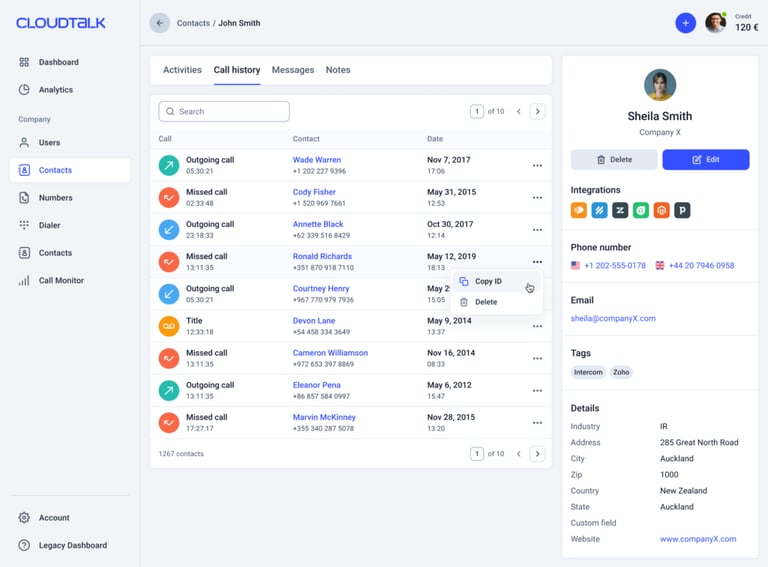
CloudTalk transforms sales and support conversations into actionable AI-powered business intelligence. This cloud-based phone system offers native conversation analytics, eliminating the need for separate tools and reducing technology costs.
Who Is CloudTalk Best For?
Growing SMBs that need both a reliable phone system and conversation intelligence. Particularly valuable for international teams requiring clear calls across multiple countries.
What Is CloudTalk's Pricing?
CloudTalk offers various pricing plans, add-ons, and AI Voice Agents to suit your needs.
- Lite: $19/user/month
- Starter: $25/user/month
- Essential: $29/user/month
- Expert: $49/user/month
What Are CloudTalk's Key Features?
- AI-powered call summaries and automatic tagging create searchable conversation records
- Real-time sentiment analysis flags critical moments during customer interactions
- Custom analytics dashboards track talk-listen ratios and conversation patterns
- Two-way sync with major CRMs ensures data flows seamlessly between systems
- Global coverage across 160+ countries with crystal-clear call quality
What Are CloudTalk's Key Integrations?
- Salesforce, HubSpot, Pipedrive, Zendesk, and 100+ more
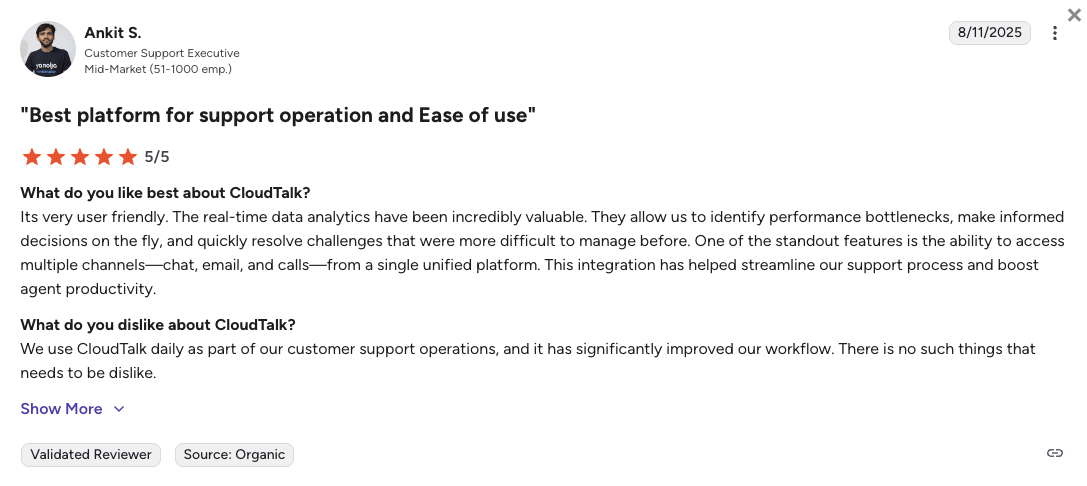
How Do Users Rate CloudTalk?
What Are CloudTalk's Pros & Cons?
| Pros | Cons |
|---|---|
| All-in-one solution combines calling capabilities with conversation intelligence | Newer AI features compared to specialized analytics tools |
| Extensive integration ecosystem | Learning curve for advanced analytics features |
| Superior international call quality | The mobile app has limited analytics capabilities |
2. Gong — Best for Enterprise Sales Teams Focused on Revenue Intelligence
What Is Gong?
Known as "the revenue intelligence platform," Gong combines conversation analysis with deal intelligence. Its AI engine processes sales calls, emails, and web conferences to predict deal outcomes and guide revenue strategies.
Who Is Gong Best For?
Enterprise sales organizations with large teams and complex sales cycles. Ideal for businesses heavily invested in data-driven sales strategies.
What Is Gong's Pricing?
- Custom pricing based on team size — annual contract required
What Are Gong's Key Features?
- Deal pipeline analytics with risk scoring and opportunity tracking
- Automated analysis of competitor mentions and pricing discussions
- Custom scorecards for coaching and performance tracking
- Market intelligence based on aggregated conversation trends
- Advanced integration with Salesforce and other major CRMs
What Are Gong's Key Integrations?
- Salesforce, HubSpot, Microsoft Teams, Zoom, Slack, and 100+ tools
How Do Users Rate Gong?
What Are Gong's Pros & Cons?
| Pros | Cons |
|---|---|
| Deep sales-specific analytics capabilities | Significant investment required |
| Robust coaching and training features | Complex implementation process |
| Extensive market intelligence data | Better suited for larger sales teams |
Recommended Reads
3. HubSpot — Best for Conversation Insights Within a Unified CRM Ecosystem
What Is HubSpot?
HubSpot's conversation intelligence tools are part of the platform's Sales Hub. They unify sales performance and conversation analysis data to better visualize how calls move prospects through the deal pipeline and identify areas for improvement.
Who Is HubSpot Best For?
Enterprise-level organizations looking for an all-in-one sales solution with excellent data analytics capabilities.
What Is HubSpot's Pricing?
- Free: $0/month
- Starter: $9/month/seat
- Professional: $90/month/seat
- Enterprise: $150/month/seat
What Are HubSpot's Key Features?
- Links directly to HubSpot's Smart CRM — prospect-specific call transcripts and recordings in one view
- AI-powered deal health scoring and next step suggestions
- Sales and deal pipeline analytics with forecasting
- Native integration with HubSpot's customer service and marketing tools
- Custom reports with AI-generated summaries
What Are HubSpot's Key Integrations?
- Salesforce, Gmail, Outlook, Slack, Zoom, and 1,000+ tools via HubSpot App Marketplace
How Do Users Rate HubSpot?
What Are HubSpot's Pros & Cons?
| Pros | Cons |
|---|---|
| Built-in coaching and training tools | Significant investment required for advanced plans |
| CRM database enrichment with information from new call recordings and transcripts | Conversation intelligence tools are not available as a standalone product |
| Access to numerous other sales tools within the same platform | May be out of reach for smaller businesses |
Recommended Reads
4. Zonka Feedback — Best for Analyzing Customer Feedback and Sentiment
What Is Zonka Feedback?
Zonka Feedback is an AI-powered Customer Feedback & Intelligence Platform that enables teams to analyze conversations and unstructured feedback across customer touchpoints. It focuses on turning text-heavy feedback from surveys, support interactions, and digital channels into clear themes, sentiment, and actionable insights.
Who Is Zonka Feedback Best For?
Teams looking to analyze customer conversations and open-ended feedback with AI, and connect insights directly to CX metrics like NPS and CSAT.
What Is Zonka Feedback's Pricing?
- Pricing available on request — contact Zonka Feedback for a quote
What Are Zonka Feedback's Key Features?
- AI-driven sentiment and emotion analysis on open-text feedback
- Automatic theme detection and tagging across conversations
- Unified analysis of feedback from surveys, in-app, web, email, SMS, and integrations
- Impact analysis linking conversation themes to CX metrics like NPS and CSAT
- Ask AI for instant insights, summaries, and trend exploration
What Are Zonka Feedback's Key Integrations?
- Salesforce, HubSpot, Intercom, Zendesk, Slack, and 40+ tools
How Do Users Rate Zonka Feedback?
What Are Zonka Feedback's Pros & Cons?
| Pros | Cons |
|---|---|
| Strong AI capabilities for text and conversation analysis | Not a native call recording or speech-to-text tool |
| Combines feedback collection with analytics in one platform | Advanced AI features available on higher plans only |
| Supports omnichannel and offline data sources | Learning curve for complex automation setups |
5. Chorus (ZoomInfo) — Best for B2B Teams Needing Deal Intelligence With Enriched Data
What Is Chorus?
Part of ZoomInfo's revenue platform, Chorus specializes in conversation analytics for B2B sales teams. The platform emphasizes deal momentum tracking and sales methodology adherence.
Who Is Chorus Best For?
B2B sales teams already using ZoomInfo who need deep conversation insights integrated with their existing tech stack.
What Is Chorus's Pricing?
- Custom pricing — bundled with ZoomInfo subscriptions; enterprise-focused pricing model
What Are Chorus's Key Features?
- Moment identification for key discussion points
- Deal risk analysis based on conversation patterns
- Smart playlists for training and onboarding
- Real-time coaching cards during calls
- Native integration with ZoomInfo's B2B database
What Are Chorus's Key Integrations?
- ZoomInfo, Salesforce, HubSpot, Microsoft Teams, Zoom, and major CRM platforms
How Do Users Rate Chorus?
What Are Chorus's Pros & Cons?
| Pros | Cons |
|---|---|
| Strong B2B focus with deep ZoomInfo data integration | Requires a ZoomInfo subscription for full benefits |
| Extensive training library and smart playlists for onboarding | Limited support options |
| Real-time coaching cards during live calls | Higher price point for small teams |
6. Outreach — Best for Combining Sales Engagement Workflows With Conversation Insights
What Is Outreach?
Outreach has evolved from a sales engagement platform to include robust conversation intelligence. The platform focuses on revenue execution, combining sales sequences with AI-powered conversation analysis.
Who Is Outreach Best For?
Sales organizations looking to combine engagement automation with conversation intelligence in one platform.
What Is Outreach's Pricing?
- Custom pricing — contact sales. Additional costs for AI features; enterprise pricing available
What Are Outreach's Key Features?
- Guided selling based on conversation insights
- Success patterns from top-performing reps
- Real-time battle cards for competitive mentions
- Automated sequence optimization
- Deal health monitoring through conversation signals
What Are Outreach's Key Integrations?
- Salesforce, HubSpot, LinkedIn Sales Navigator, Zoom, Microsoft Teams, and 90+ tools
How Do Users Rate Outreach?
What Are Outreach's Pros & Cons?
| Pros | Cons |
|---|---|
| Seamless integration with sales engagement workflows | Complex pricing structure |
| Strong automation capabilities | Requires full platform adoption to get full value |
| Multi-channel analytics across calls, email, and sequences | Feature overlap with existing tools in many stacks |
7. Dialpad — Best for Unified Communications With Built-In Conversation Analytics
What Is Dialpad?
Dialpad offers AI-native communications with built-in conversation analytics. The platform emphasizes real-time assistance and automated post-call analysis.
Who Is Dialpad Best For?
Companies seeking unified communications with integrated conversation analytics capabilities.
What Is Dialpad's Pricing?
- Standard: $15/user/month
- Pro: $25/user/month
- Enterprise: Quote-based
What Are Dialpad's Key Features?
- Live coaching with real-time recommendations
- Automated call summaries and action items
- Sentiment tracking across customer journey
- Voice intelligence for trend analysis
- Native video meeting analytics
What Are Dialpad's Key Integrations?
- Salesforce, HubSpot, Zendesk, Microsoft Teams, Google Workspace, and 70+ tools
How Do Users Rate Dialpad?
What Are Dialpad's Pros & Cons?
| Pros | Cons |
|---|---|
| Real-time insights and live coaching during calls | Call quality issues reported by some users |
| Unified communications platform — calls, video, and messaging in one place | Limited customization options for analytics dashboards |
| Strong mobile experience | Advanced analytics features are gated behind higher-tier plans |
Recommended Reads
8. JustCall — Best for Small Businesses Needing Basic Conversation Analytics
What Is JustCall?
JustCall combines a cloud phone system with conversation intelligence capabilities focused on small business needs.
Who Is JustCall Best For?
Small businesses needing basic conversation analytics integrated with their phone system.
What Is JustCall's Pricing?
- Team: $29/user/month
- Pro: $49/user/month
- Pro Plus: $89/user/month
- Business: Quote-based
What Are JustCall's Key Features?
- Basic sentiment analysis for calls
- Automated call scoring and transcription
- Performance analytics dashboards
- SMS campaign analytics
- Integration with popular CRM platforms
What Are JustCall's Key Integrations?
- HubSpot, Salesforce, Pipedrive, Zoho CRM, Slack, and 100+ tools
How Do Users Rate JustCall?
What Are JustCall's Pros & Cons?
| Pros | Cons |
|---|---|
| Simple user interface with quick implementation | Limited advanced analytics capabilities |
| Affordable starting price for small teams | Basic AI capabilities compared to dedicated tools |
| Solid CRM integration library for the price point | Restricted customization options |
Recommended Reads
9. CallMiner Eureka — Best for Large Contact Centers Requiring Compliance Analytics
What Is CallMiner Eureka?
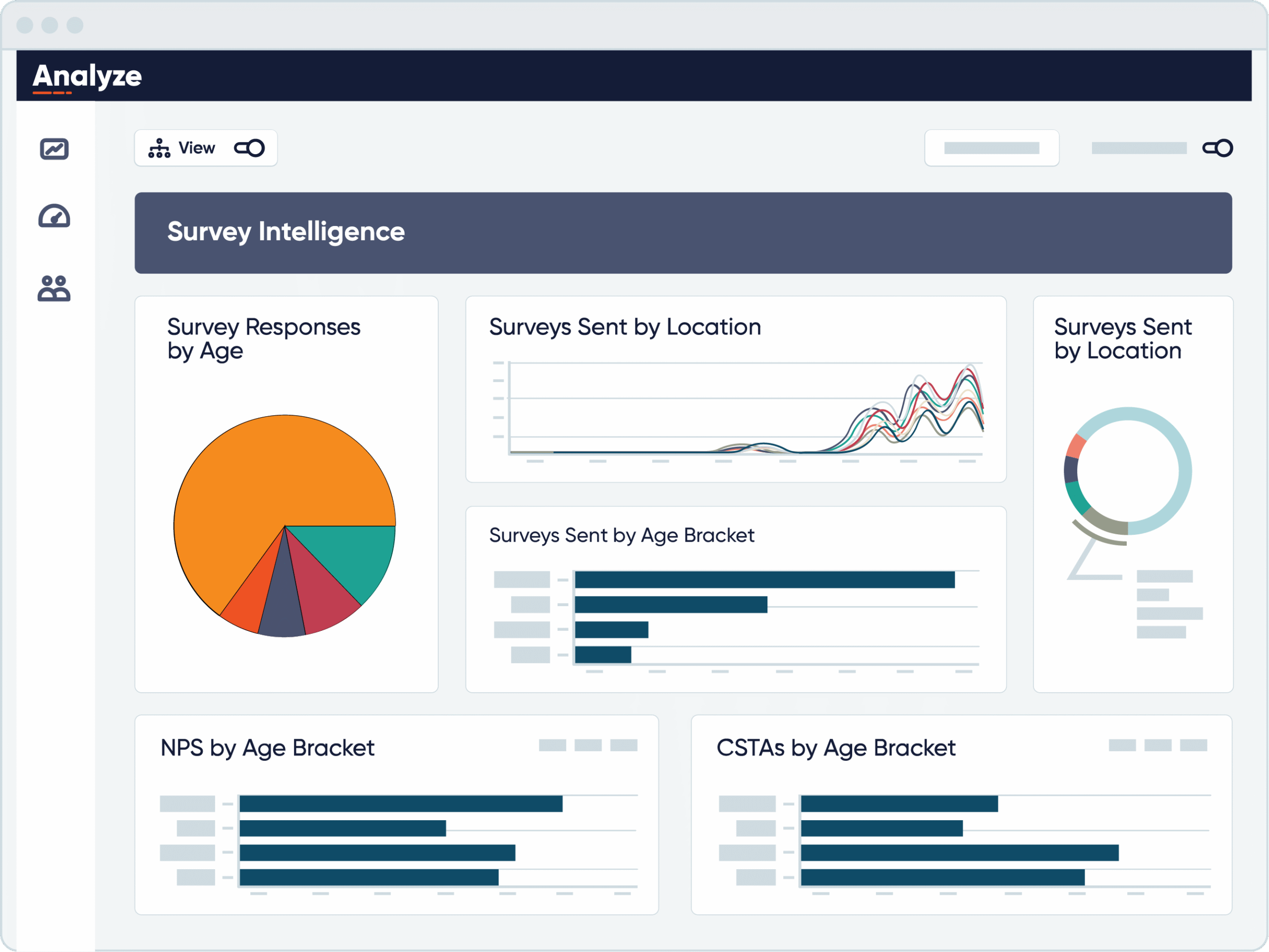
A specialized analytics platform focusing on contact center interactions and customer experience insights. CallMiner Eureka is built for enterprises that need comprehensive interaction analytics across multiple channels with strong compliance monitoring.
Who Is CallMiner Best For?
Large contact centers and enterprises requiring comprehensive interaction analytics across multiple channels.
What Is CallMiner's Pricing?
- Custom enterprise pricing — module-based licensing, annual contracts required
What Are CallMiner's Key Features?
- Omnichannel interaction analytics
- Root cause analysis tools
- Automated scoring systems
- Compliance monitoring
- Predictive behavioral analytics
What Are CallMiner's Key Integrations?
- Salesforce, Amazon Connect, Genesys, NICE inContact, and major CCaaS platforms
How Do Users Rate CallMiner?
What Are CallMiner's Pros & Cons?
| Pros | Cons |
|---|---|
| Deep analytical capabilities across all interaction channels | Steep learning curve |
| Strong compliance features for regulated industries | Complex implementation requiring professional services |
| Extensive customization options | Higher price point — not suitable for smaller teams |
Recommended Reads
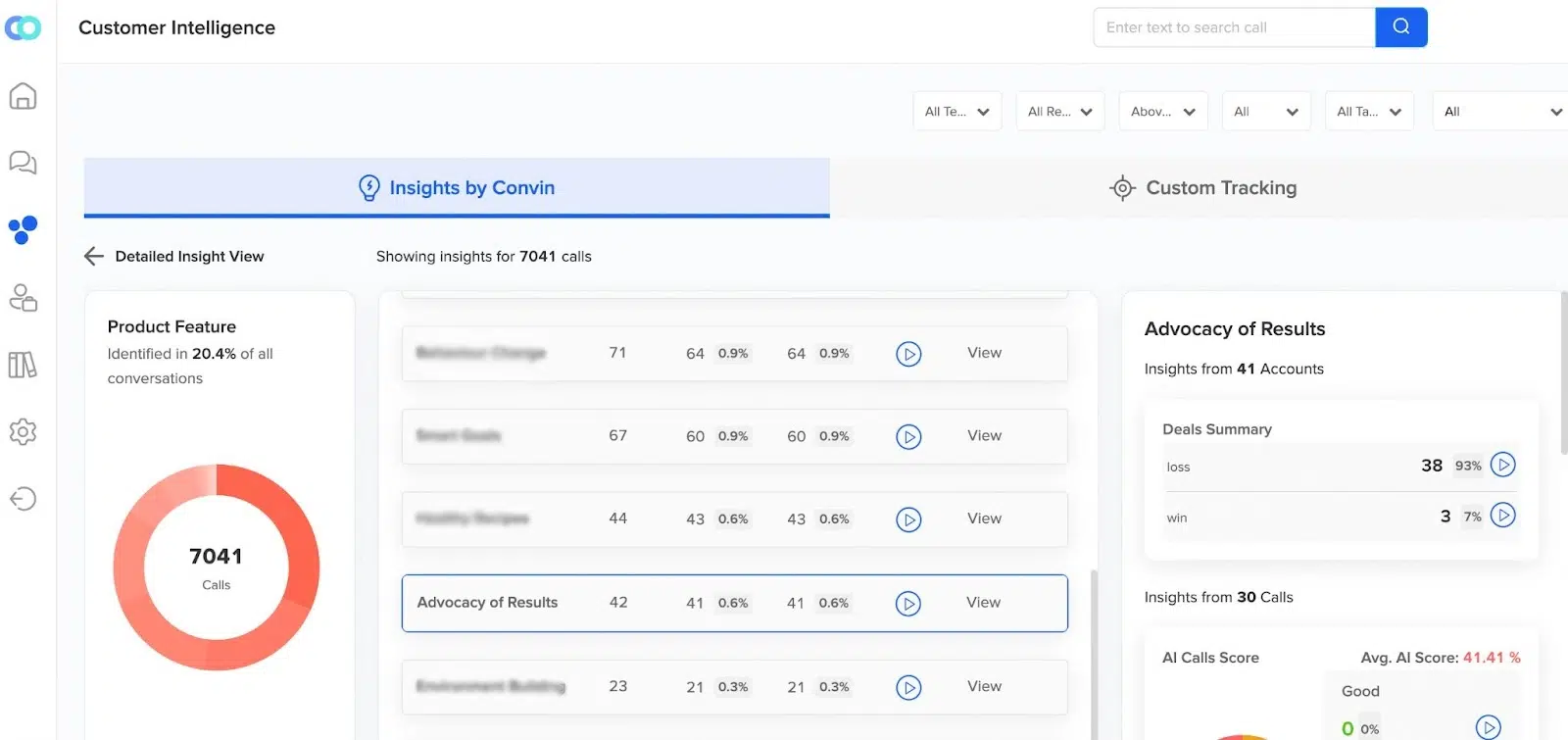
10. Convin — Best for Growing Sales Teams Needing Affordable Coaching
What Is Convin?
An emerging player focused on sales conversation intelligence with an emphasis on coaching and revenue optimization.
Who Is Convin Best For?
Growing sales teams looking for affordable conversation intelligence with coaching capabilities.
What Is Convin's Pricing?
- Custom pricing — contact Convin for a quote
What Are Convin's Key Features?
- Deal intelligence tracking
- Automated conversation scoring
- Sales battlecard creation
- Revenue opportunity alerts
- Personalized coaching insights
What Are Convin's Key Integrations?
- Salesforce, HubSpot, Freshdesk, Zoom, Google Meet, and major dialers
How Do Users Rate Convin?
What Are Convin's Pros & Cons?
| Pros | Cons |
|---|---|
| User-friendly interface with quick setup process | Limited integration options compared to established platforms |
| Affordable for small and growing teams | Basic reporting capabilities |
| Strong coaching and battlecard features | New market entrant — limited track record at scale |
Recommended Reads
11. Iovox — Best for Marketing Teams Needing Call Tracking With Analytics
What Is Iovox?
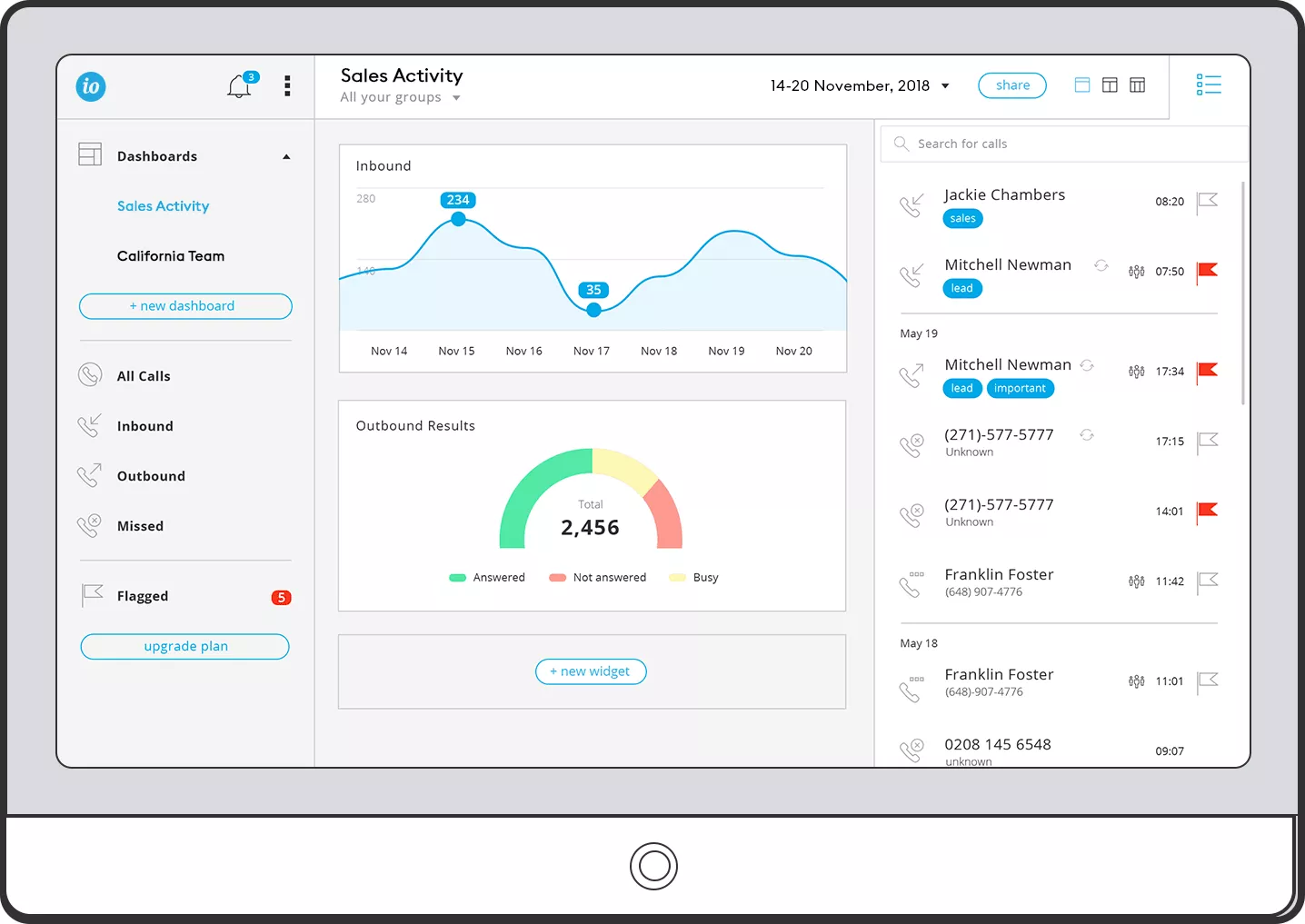
Iovox focuses on conversation analytics with a strong emphasis on call tracking and marketing attribution.
Who Is Iovox Best For?
Marketing teams needing call tracking with basic conversation analytics capabilities.
What Is Iovox's Pricing?
- Professional: $500/month
- Enterprise: $2,000/month
What Are Iovox's Key Features?
- Call tracking analytics
- Marketing campaign insights
- International number coverage
- Webhook integrations
- Custom reporting tools
What Are Iovox's Key Integrations?
- Google Analytics, Salesforce, HubSpot, and custom webhook-based integrations
How Do Users Rate Iovox?
What Are Iovox's Pros & Cons?
| Pros | Cons |
|---|---|
| Strong marketing focus with detailed attribution tracking | Limited AI capabilities compared to dedicated conversation analytics tools |
| Global number coverage for international marketing campaigns | Basic conversation analytics — not suitable as a primary analytics platform |
| Flexible webhook integrations for custom workflows | Dated interface |
12. EnthuAI — Best for Tech-Savvy Teams Experimenting With GPT-Powered Analytics
What Is EnthuAI?
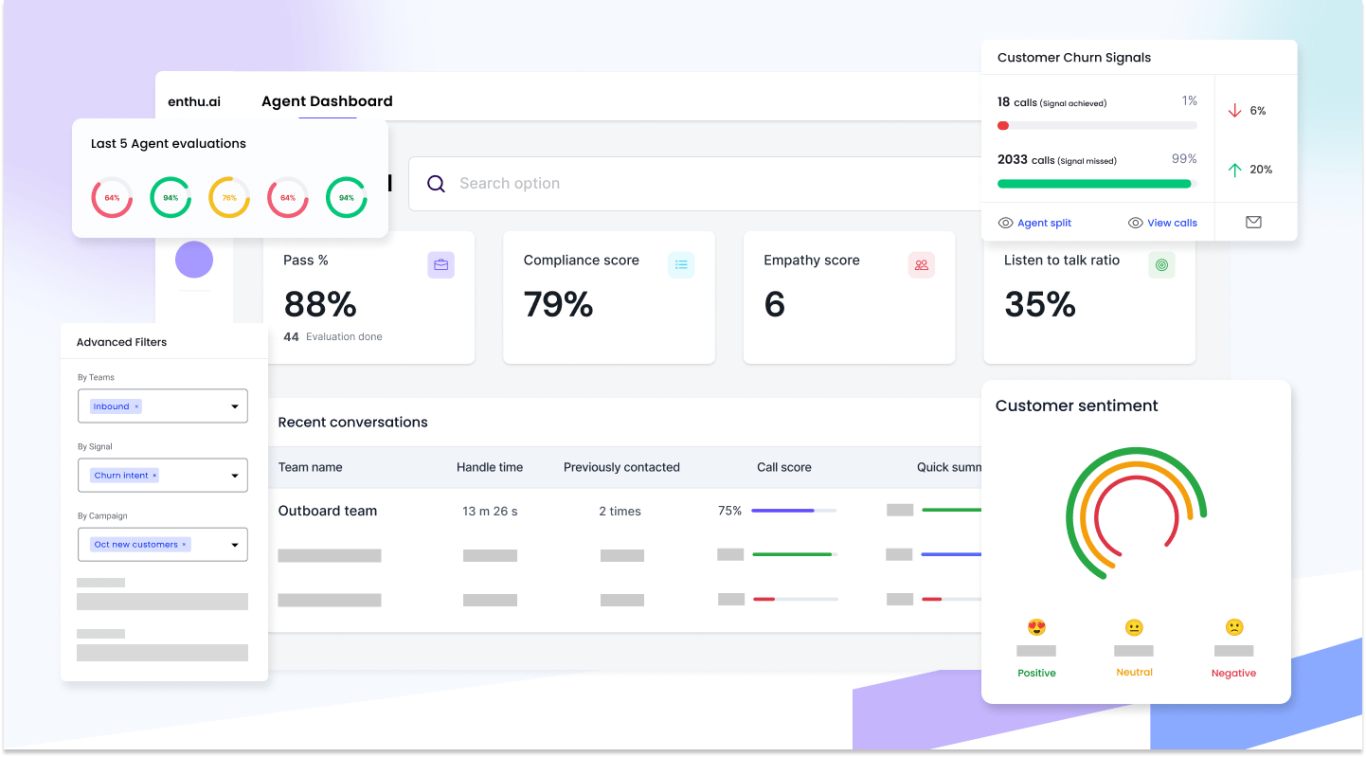
A new AI-focused conversation intelligence platform targeting small to medium businesses.
Who Is EnthuAI Best For?
Tech-savvy teams wanting to experiment with the newest AI conversation analytics capabilities.
What Is EnthuAI's Pricing?
- Custom pricing — contact EnthuAI for a quote
What Are EnthuAI's Key Features?
- GPT-powered conversation analysis
- Real-time coaching suggestions
- Automated meeting summaries
- Topic clustering
- Customer intent detection
What Are EnthuAI's Key Integrations?
- HubSpot, Salesforce, Zoom, Google Meet, and major dialer platforms
How Do Users Rate EnthuAI?
What Are EnthuAI's Pros & Cons?
| Pros | Cons |
|---|---|
| Modern GPT-powered AI technology with regular feature updates | Limited track record — new market entrant |
| Competitive pricing for the AI feature set | Basic integration options compared to established platforms |
| Strong intent detection and topic clustering capabilities | Small feature set overall |
If you're not learning from your calls, you're repeating mistakes. See exactly where deals stall, what top reps do differently, and how to fix it — fast.

Benefits of Using Conversation Analytics Software
Small and mid-sized businesses face a turning point in customer communication. Market data shows growing adoption of conversation intelligence solutions by SMBs.
The shift makes sense — while enterprise companies employ large QA teams, smaller businesses need smart tools to compete effectively.
These teams discover that conversation analytics isn't just about monitoring calls. It's about uncovering opportunities that drive growth.
Improved Customer Satisfaction
Smart Routing matches customers with the right agents based on conversation history and expertise. Real-time sentiment analysis alerts managers when conversations turn negative. Teams identify and resolve systemic issues before they affect satisfaction scores.
Higher Agent Productivity
Automated call summaries eliminate manual note-taking. Real-time coaching suggestions help agents navigate complex conversations. Performance metrics highlight specific areas where agents need support, making training more targeted and effective.
Better Sales & Lead Qualification
Conversation analytics software improves sales performance by flagging high-intent buying signals that reps might miss and identifying which specific talk tracks correlate with closed deals. By analyzing thousands of calls, managers can create data-backed coaching plans that replicate the winning patterns of top-performing SDRs.
Stronger Compliance & Risk Management
Automated monitoring catches compliance issues in real-time. The system flags problematic language or missing disclosures immediately. Teams can prove adherence to regulations with comprehensive conversation records.
Data-Driven Business Decisions
Teams identify which conversation topics lead to closed deals. Analysis reveals which competitor mentions cause lost opportunities. Clear metrics show how pricing discussions impact conversion rates. Managers can pinpoint when and why deals get stuck in the pipeline, enabling targeted process improvements.
How to Choose the Right Conversation Analytics Software
The switch from landlines to cloud calling sparked a revelation. Support and sales teams suddenly realized they were sitting on goldmines of conversation data.
But tapping into these insights meant navigating a complex landscape of AI tools, each promising revolutionary analytics.
- Accuracy of AI Transcription & Sentiment Analysis: Not all AI engines perform equally. Look for tools that handle industry-specific terminology and multiple accents. Test accuracy rates with sample calls from your team. Check how well the system catches emotional nuances and conversation flow.
- Integration Capabilities: The tool should fit seamlessly into your existing workflow. Verify compatibility with your CRM system. Check how call data syncs with your sales or support platform. Consider whether the integration offers two-way data flow to avoid manual updates.
- Customizable Reporting & Dashboards: Different teams need different insights. Sales managers want deal intelligence and conversion metrics. Support leaders focus on satisfaction scores and resolution rates. Ensure the platform lets you build custom views for various stakeholders.
- Security & Compliance Features: Customer conversations contain sensitive data. Verify the platform's compliance with regulations relevant to your industry. Look for security features like data encryption, access controls, and automatic PII redaction. Check where data gets stored and how long it's retained.
- Scalability & Cost Considerations: Your needs will grow as your team expands. Understand pricing tiers and user limits. Check costs for additional features or storage. Consider whether the platform can handle increased call volume without performance issues.
Looking Forward: The Evolution of Conversation Intelligence
The line between AI assistants and conversation analytics is fading. Leading platforms now combine both — analyzing calls while actively participating in them.
These systems handle routine queries, qualify leads, and even manage basic negotiations.
This shift opens new possibilities. Support teams automate tier-1 issues while agents focus on complex cases. Sales teams qualify leads 24/7 and expand without increasing headcount.
At the same time, analytics move from reactive to predictive — guiding next steps before conversations even start.
Still, the human element matters. The best teams use AI to enhance — not replace — real interactions. They combine data with emotional intelligence to make conversations more effective.
Choosing the right platform is key. Tools that blend analytics with AI agents help teams stay ahead — turning every interaction into a meaningful outcome.
Turn conversation intelligence into a competitive advantage.

Sources:
Frequently asked questions
Conversation analytics is the use of AI and Natural Language Processing to automatically analyze customer interactions across calls, chats, and emails. The system extracts insights about sentiment, behavior patterns, talk-to-listen ratios, and business opportunities — turning every conversation into structured, actionable data without manual review.
Conversation intelligence software combines speech recognition, natural language processing, and machine learning to understand what happens in customer conversations and why. It goes beyond basic transcription to identify coaching opportunities, buying signals, compliance gaps, and performance trends — giving sales and support teams the call intelligence they need to improve outcomes at scale.
A sales team uses AI call analysis to identify that mentioning competitor pricing early in calls reduces close rates by 40%. Armed with that insight, managers update talk tracks and coach reps to delay pricing discussions — directly improving conversion. Other examples include using talk-to-listen ratio data to identify over-talking reps, or flagging calls where a customer's sentiment turned negative before a churn event.
For sales teams, conversation intelligence reveals which talk tracks close deals, identifies objections before they become blockers, and helps managers replicate the patterns of top performers across the entire team. For eCommerce, it surfaces the exact friction points in the customer journey — whether that's a pricing question, a shipping concern, or a returns process — so teams can improve customer experience based on what's actually happening in conversations, not just what's tracked in clicks.
Most businesses collect vast amounts of call data but lack the tools to act on it. Conversation intelligence closes that gap — transforming raw recordings into structured insights about agent performance, customer sentiment, deal health, and compliance. It enables faster coaching, smarter forecasting, and better decisions based on what's actually being said in calls, not just what gets logged in a CRM. Teams that use it consistently report improvements across key call center metrics including first-call resolution, conversion rates, and customer satisfaction scores.